Shine Pics/ Notebook/ Planning a Winter Wedding
The Planning Notes · Issue 02
Planning a winter wedding, honestly.
A practical, photographer's-eye checklist for tying the knot in Northern Ireland between November and February — dates, daylight, dressing, and how not to freeze.
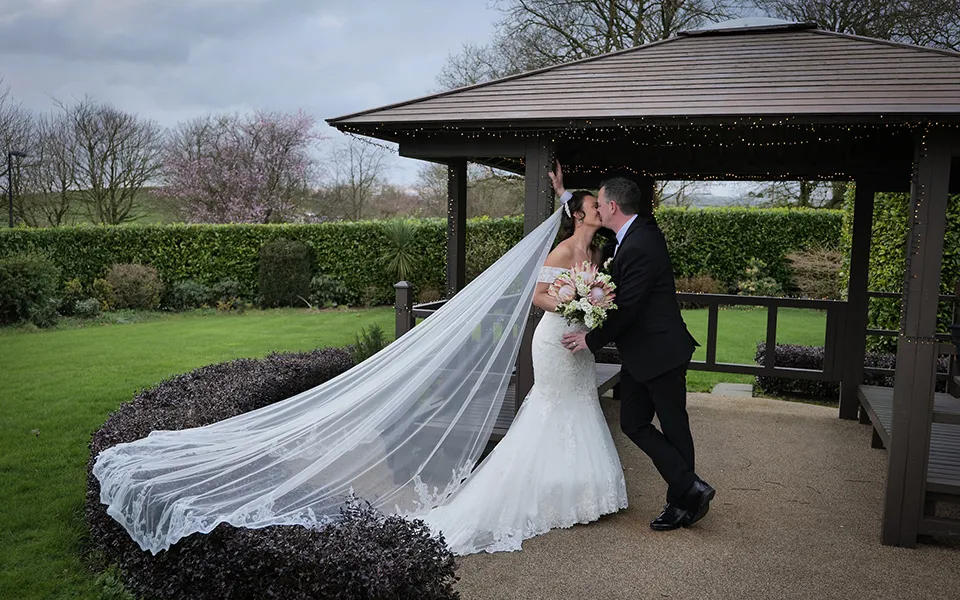
There can be few more romantic things than tying the knot with the one you love on a bright, crisp day — or taking your first steps as a married couple with a blanket of pristine snow on the ground. Nothing is more guaranteed to make it a day you and your guests will cherish forever.
Planning a winter wedding in Northern Ireland is no harder than planning a summer one. It is, however, very different — different light, different weather, different logistics, and a date calendar that has Christmas sitting squarely in the middle of it.
Here is a short, honest checklist — the things we wish couples knew before booking, after almost two decades photographing winter weddings across Antrim, Down, Belfast and the north coast.
01Pick your date
Winter is dominated by Christmas. Guests find it hard to fit a wedding into holiday plans if you arrange it too close to the 25th, most venues and entertainers are fully booked weeks in advance, and prices are at a premium.
The exception — the week between Christmas and New Year. Most people are off work, the pre-Christmas parties are done with, and you should be able to negotiate a far better deal on your chosen venue. It also gives folk a chance to wear their Christmas-party clothes again, and everyone can buy you presents in the January sales.
The three dates that work best.
- Mid-November — autumn colour still around, venues quieter, daylight not too short yet.
- 27th–30th December — guests are off work, venues are negotiable, evenings feel festive without competing with Christmas Day.
- Late February — daylight noticeably stretching again, prices still off-peak, and snowdrops everywhere.
02Pick your time
Daylight falls fast across NI winters. By mid-December the sun is dropping by half-past three, and that flattering low light is gone by quarter to four. You will need to organise your ceremony earlier in the day than you would in summer, and put a lot of thought into your wedding photography timing.
The trade-off is the weather itself. You and your guests don't want to be standing around shivering on a lawn for an hour while group shots are organised. Liaise with your photographer well in advance, plan the group photos as a clear sequence, and have everyone dash back inside the moment each set is done.
"In winter, the most flattering light of the day might only last ninety minutes — so you plan around it, instead of fighting it."Jody Nesbitt · Shine Pics
It is also genuinely worthwhile arranging for your ceremony and reception to take place at the same venue. It cuts travel time, removes the cold transitions in and out of cars, and gives your guests a single warm room to gather in. Consider having bridal preparation pictures taken, or arrange for your wedding videographer to be present from the bridal preps through to the first few dances — you get a longer story-arc out of a shorter, denser day.
03Pick your outfits
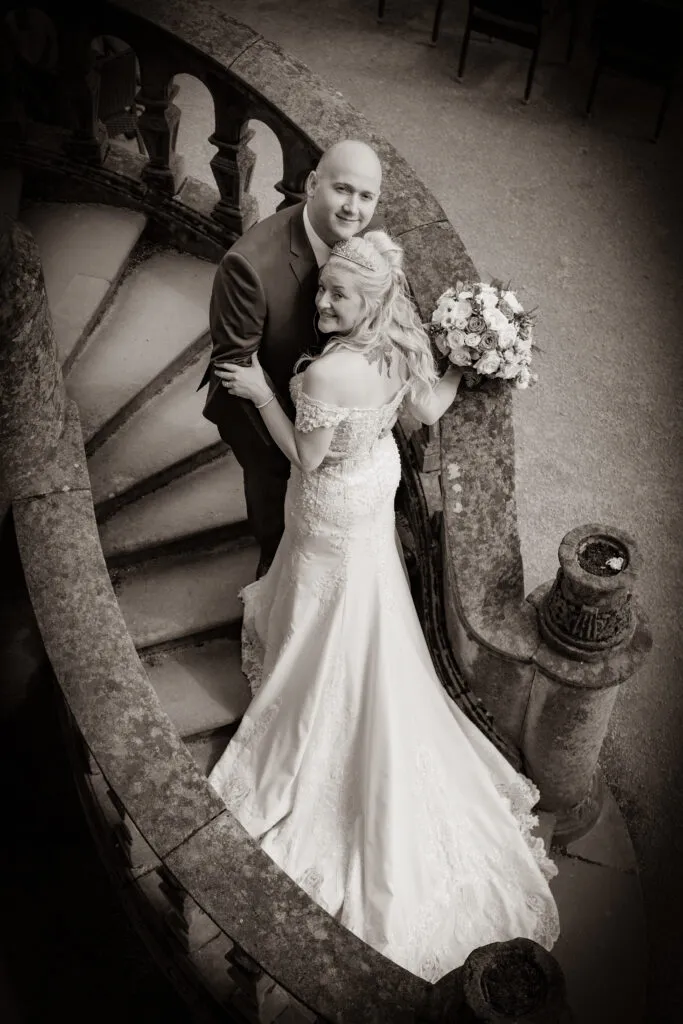
Fur wraps, cashmere stoles, pashminas, lace gloves, velvet jackets — there are so many ways to look lovely despite the weather, and most of them photograph beautifully. The temptation in summer is to lighten everything; in winter you can do the opposite and lean into texture and depth.
Colours that get washed out in summer sun shimmer at a winter wedding. Pure white reads as bright snow rather than glare; ice blue and silver catch and hold low light. Deep colours are stunning — rich reds and forest greens stand out against a snowy backdrop or a heavy grey sky in a way they never quite manage in July.
04Stay warm & dry
Strappy shoes could have you freezing, slipping or sinking into the mud. White boots are a far better answer than most couples expect — they photograph wonderfully under a long dress, and your feet will thank you by 6pm. Talk to your photographer in advance about where the portraits will be taken; nobody wants to be posing for forty-five minutes on damp grass.
It is also a good idea to have a clutch of umbrellas on standby — for guests as much as for you — in case of a sudden downpour. Plain black looks unfussy and elegant. There are also some genuinely beautiful parasol-styled wedding umbrellas around now; imagine the photograph of the wedding party gathered under a row of them.
Five small things that change the whole day.
- White boots — under the dress, no one knows, and you'll stay upright.
- A spare warm layer for the bride for the walk out of the ceremony.
- Six black umbrellas kept dry in a basket by the venue door.
- A heater or two by the cocktail-hour space, if it's anywhere outdoorsy.
- A printed timing sheet for your nominated person, so groups are rounded up fast.
…or, go to Spain
If none of this appeals — if the thought of damp grass and Belfast wind is genuinely a deal-breaker — there is always the option of getting married in Spain. We've photographed weddings on the Costas a handful of times now, and the structure of the day is quite different. Worth a read before you commit either way.
Whichever direction you go: the best winter weddings we've shot were the ones where the couple leaned into the season rather than trying to disguise it. Candles instead of natural light. Mulled wine on arrival. An early ceremony, a long lazy dinner, a fire in the corner. The photographs follow from the day; the day follows from the decision.
If you'd like to talk through a winter date and how the timings might work at your specific venue, the contact form takes about a minute and you'll hear back within one working day.